


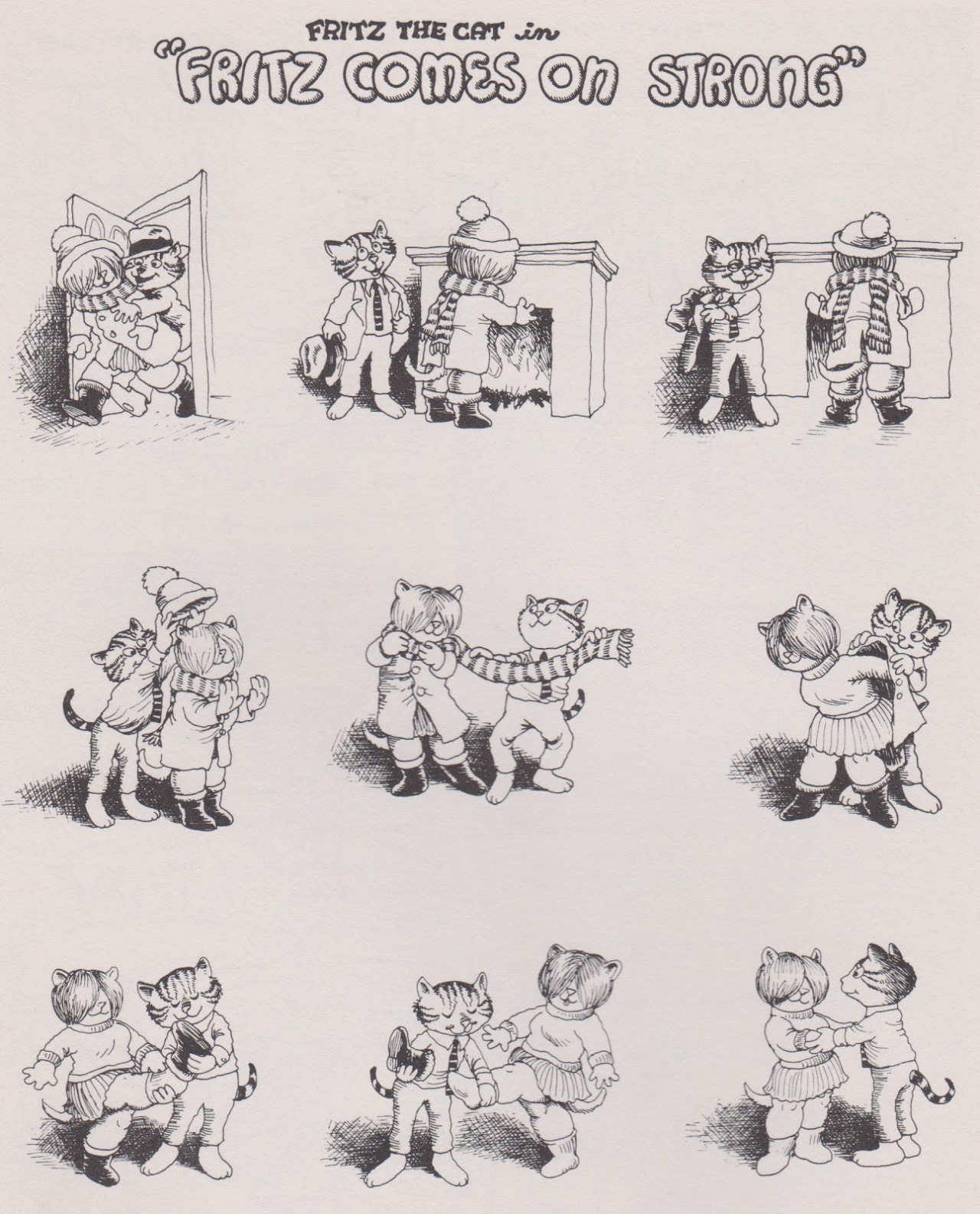


The first kiss with Luka was a dance floor kiss.



What is oxytocin?
Oxytocin is a neuropeptide that functions both as a hormone and a neurotransmitter. It appears to play an important role in linking social interactions with feelings of pleasure. It plays a central role in parental bonding, friendships, and romantic interactions, as well as in sexuality. Oxytocin production also increases when performing caregiving tasks. Because oxytocin plays an important role in the attachment between caregiver and child, it is sometimes referred to as the “cuddle hormone.” While oxytocin strengthens altruism and bonding within one’s own group (ingroup), it can promote aggressive behavior toward other groups (outgroup), especially when those groups are perceived as threatening.
In its natural form, it also plays a role in maternal bonding and milk production. Production and secretion of oxytocin is controlled by a positive feedback mechanism, where its initial release stimulates production and release of further oxytocin. For example, when oxytocin is released during a contraction of the uterus at the start of childbirth, this stimulates production and release of more oxytocin and an increase in the intensity and frequency of contractions. This process compounds in intensity and frequency and continues until the triggering activity ceases. A similar process takes place during lactation and during sexual activity.
Sexual arousal increases oxytocin levels. During a female orgasm, large amounts of oxytocin are released, with higher levels released as the orgasm is experienced as more intense. The oxytocin that is released plays an important role in facilitating the transport of sperm cells through the vagina, with the aim of promoting conception. Semen itself also contains oxytocin.
At higher levels, there is greater resilience against stress and addiction, and the body returns to a state of calm more quickly. Anxiety is suppressed more easily.